Skydiving vs Paragliding vs Parasailing: 5 Key Differences
Paragliding. Parasailing. Skydiving in India.
Three aerial adventures. Three entirely different experiences. And for most first-timers, one genuinely confusing decision.
The names sound similar. The imagery overlaps. And without a clear, honest guide to what separates them in altitude, in intensity, in cost, in safety, and in the quality of the memory they create, it is entirely possible to book one activity when you actually wanted another. That mistake is more common than the adventure industry
acknowledges, and it is entirely preventable.
At Skyhigh, we have guided thousands of first-time jumpers through exactly this decision. We know what each activity offers, what it demands, and what it delivers because we operate at the highest end of one of them and respect the genuine value of all three.
This guide covers the 5 essential differences between paragliding, parasailing, and skydiving in India that can change everything about your decision, so you choose the right adventure the first time, with complete confidence in what you have chosen.
1. Control and Independence: Who Is in Charge of Your Experience?
Beyond altitude, the most fundamental difference between paragliding, parasailing, and skydiving in India is the question of who controls the experience and what that means for the type of adventurer each activity is best suited to.
Parasailing offers the participant no control whatsoever. You are attached to a canopy above the water, lifted by a towing vehicle, and returned to the boat when the operator decides the flight is complete. There are no decisions to make, no inputs to provide, and no technical skills required.
Paragliding places the participant at the opposite end of the control spectrum, at least in its solo form. A qualified paragliding pilot has complete authority over direction, altitude, speed, and landing approach throughout the flight. The flight starts from a hilltop or typically between 1,500 to 8,000 ft above the ground.
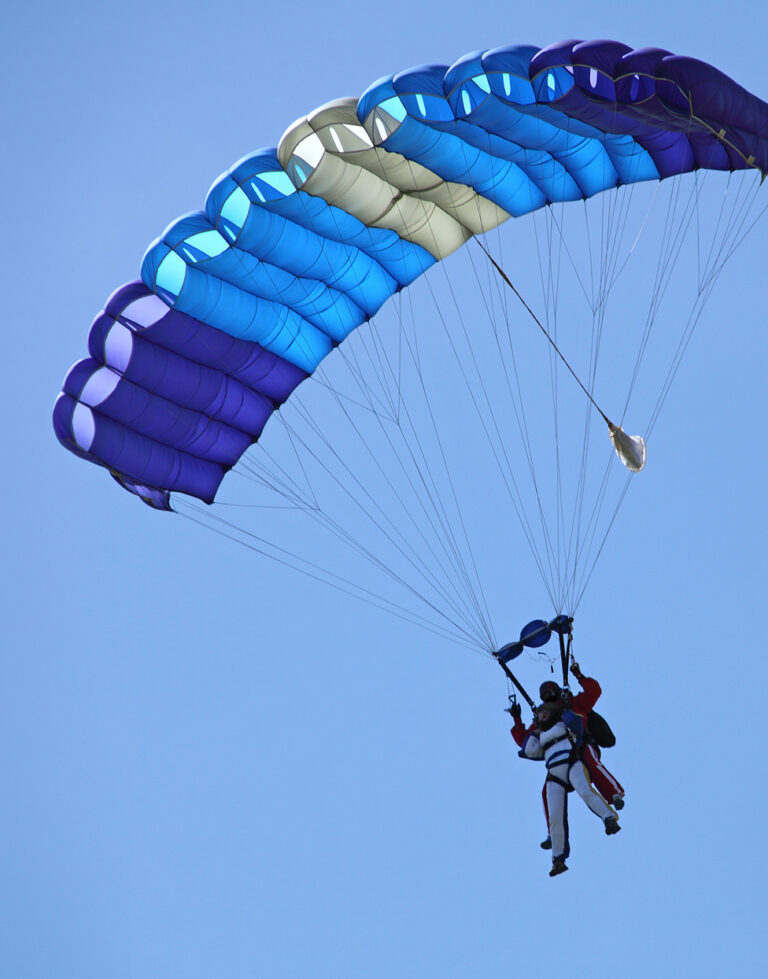
Skydiving in India occupies a distinctive middle position not because it offers less control than paragliding, but because the control question is resolved differently and more completely. During a tandem skydiving experience in India, your certified Skyhigh instructor manages every technical aspect of the jump from the moment you exit the aircraft to the moment your feet touch the ground.
And if you want the most intense, transformative, and professionally managed aerial experience available in India, delivered by a certified team whose sole purpose is to make your jump extraordinary, skydiving in India with Skyhigh is the only option that answers that call.
2. Altitude and Intensity: The Gap Is Bigger Than You Think
Of all the differences between paragliding, parasailing, and skydiving in India, altitude is the one that most dramatically separates the three experiences and the one that is most consistently underestimated by first-time adventurers comparing their options.
Parasailing operates at the lowest altitude of the three activities. At this altitude, the view is pleasant, the sensation is gentle, and the connection to the ground remains clearly visible and psychologically reassuring. It is an entirely safe and enjoyable introduction to aerial perspective. What it is not and cannot be at this altitude is genuinely intense.
Paragliding operates at a significantly greater altitude. A standard tandem paragliding flight in India reaches between three hundred metres and two thousand five hundred metres above the launch site, a height range that is between two and seventeen times greater than parasailing.
Skydiving in India operates in an entirely different altitude category. A standard tandem jump with Skyhigh departs from ten thousand feet above ground level. This is four to ten times the altitude of paragliding at its highest, and thirty to one hundred times the altitude of parasailing.
The gap between parasailing and skydiving in India is not a matter of degree. It is a matter of category. And for first-timers who want the most intense, complete, and unforgettable aerial experience available anywhere in the country, that altitude gap is the single most important piece of information they can have before they book.
3. Safety and What Each Activity Requires From You
Safety is the question every first-time adventurer should ask about every aerial activity, and the answers across paragliding, parasailing, and skydiving in India vary more significantly than most people realise.
Parasailing is the least regulated of the three activities in the Indian context. While reputable operators maintain appropriate equipment and follow reasonable safety practices, there is no single national certification body in India that sets and enforces minimum standards for parasailing operations with the same rigour as aviation-governed activities.
Paragliding in India is regulated through a combination of international frameworks, primarily the Association of Paragliding Pilots and Instructors (APPI) and the British Hang Gliding and Paragliding Association (BHPA) and domestic oversight from relevant state aviation authorities.
Skydiving in India is the most heavily regulated of the three activities, operating under the dual oversight of the Directorate General of Civil Aviation (DGCA). These two bodies together set and enforce the national standard for equipment, instructor certification, drop zone operations, and safety protocols across every licensed skydiving facility in the country. At Skyhigh, our operations at every certified skydiving India location are fully DGCA-compliant.
The safety conclusion is clear. All three activities can be conducted safely by reputable, certified operators. But of the three, skydiving in India has the most robust, most transparent, and most independently verifiable certification framework, which means that for a first-time adventurer who wants the maximum intensity experience with the maximum safety assurance, skydiving in India with a certified Skyhigh operator offers the strongest combination of both.
4. Cost, Accessibility and What Your Money Actually Buys
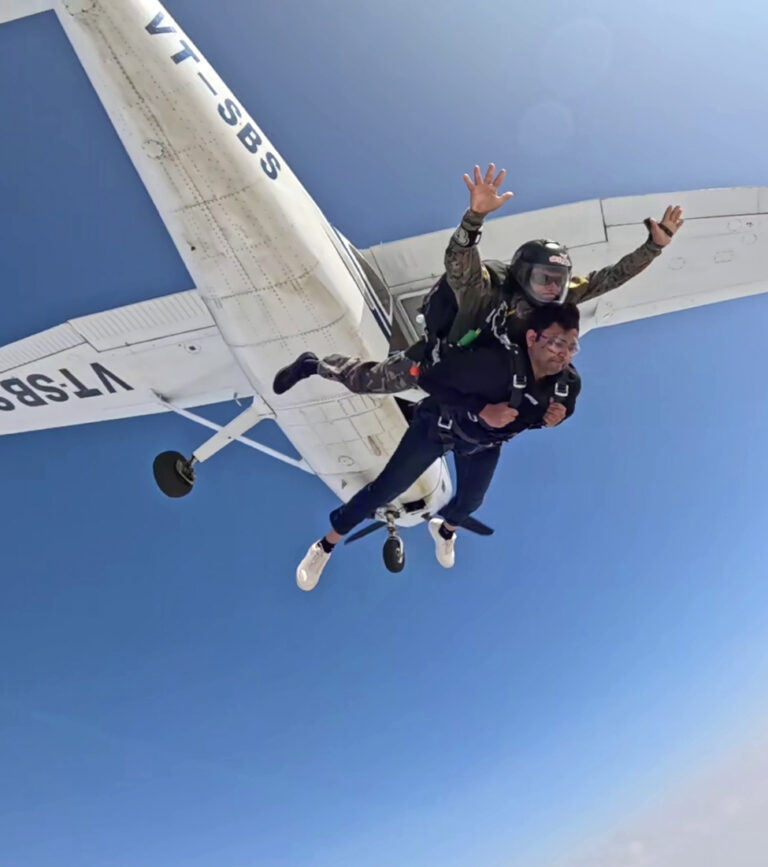
The price difference between paragliding, parasailing, and skydiving in India is significant, and it is frequently misunderstood by first-timers who compare the headline figures without understanding what drives them.
Parasailing is India’s most affordable aerial activity. A standard parasailing experience at a beach or lakeside destination costs between ₹500 and ₹2,000, a price that reflects the relatively simple equipment, the short duration, the low altitude, and the minimal certification requirements of the activity.
Paragliding occupies the middle ground. A tandem paragliding experience at an established Indian location typically costs between ₹1,500 and ₹5,000 depending on the location, the altitude, the duration, and the operator’s certification level.
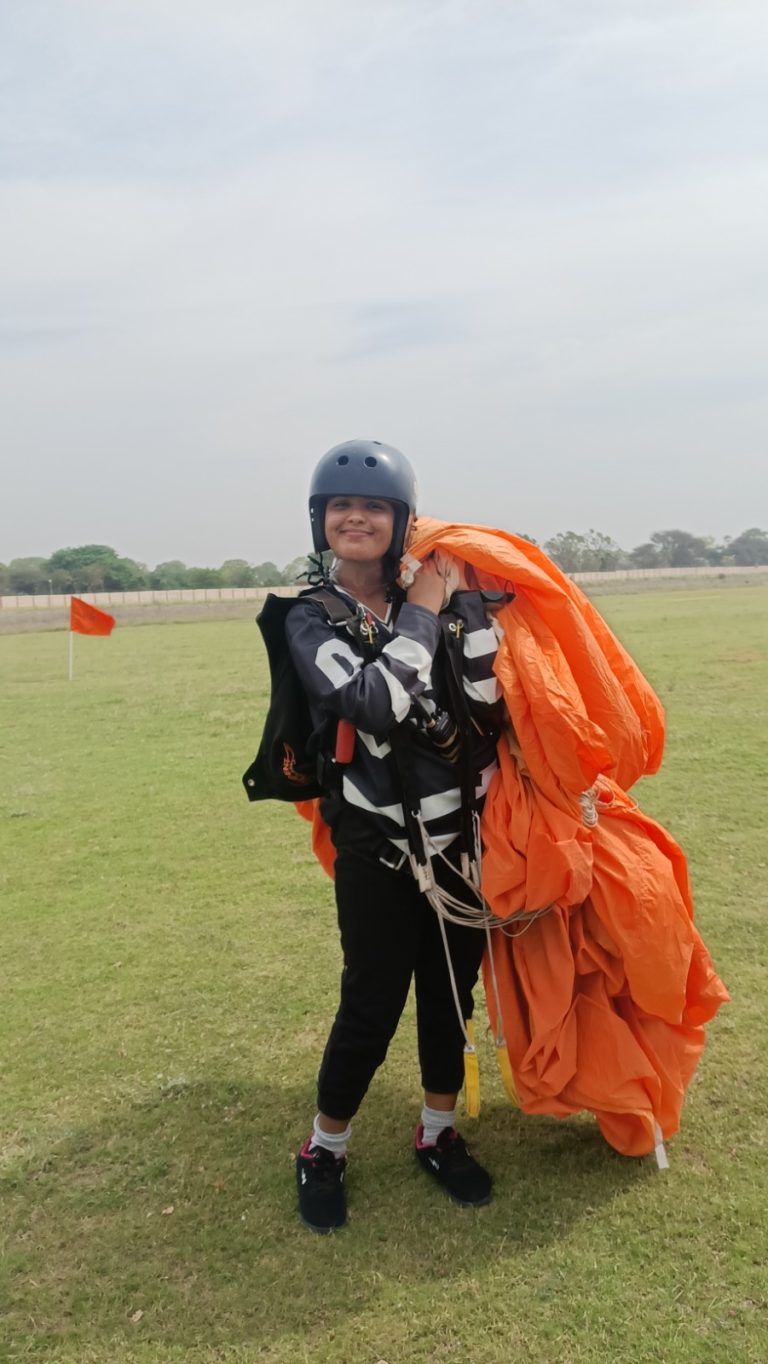
Skydiving in India with Skyhigh India is the most significant investment of the three at ₹25,000 to ₹40,000 for a standard tandem jump. This price reflects everything that separates skydiving in India from the other two activities: the aircraft and its operation, the altitude, the freefall, the parachute system and its maintenance, the certified instructor and their qualification, the ground training session, the jump certificate, and the comprehensive safety infrastructure DGCA compliance requires.
Parasailing costs ₹500 to ₹2,000 and produces a pleasant ten-minute aerial experience that most participants remember clearly for a week and vaguely for a year. Paragliding costs ₹1,500 to ₹5,000 and produces a genuinely memorable sustained flight that most participants describe with warmth and specificity for years. Skydiving in India costs ₹25,000 to ₹40,000 and produces a peak experience in the neuroscientific sense of the term that most participants describe with complete vividness and emotional accuracy for the rest of their lives.
5. The Experience Itself: What You Feel, Remember and Carry Home
Parasailing is gentle, scenic, and accessible in the most complete sense of the word. The ascent is gradual, the altitude is modest, and the sensation is one of pleasant elevation rather than genuine aerial immersion. Many parasailing participants describe the experience as more relaxing than exciting, a comfortable aerial perspective that is enjoyed rather than confronted.
Paragliding is meditative, sustained, and genuinely liberating. The sensation of true free flight moving silently through air with no engine, no boat, and no mechanical assistance beyond the wing itself is unlike anything else available in India’s adventure sports landscape. Experienced paragliders describe it as the closest thing to becoming a bird that human technology currently permits.
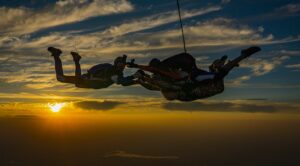
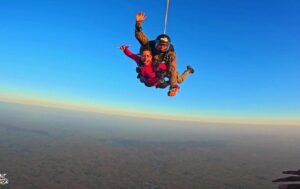
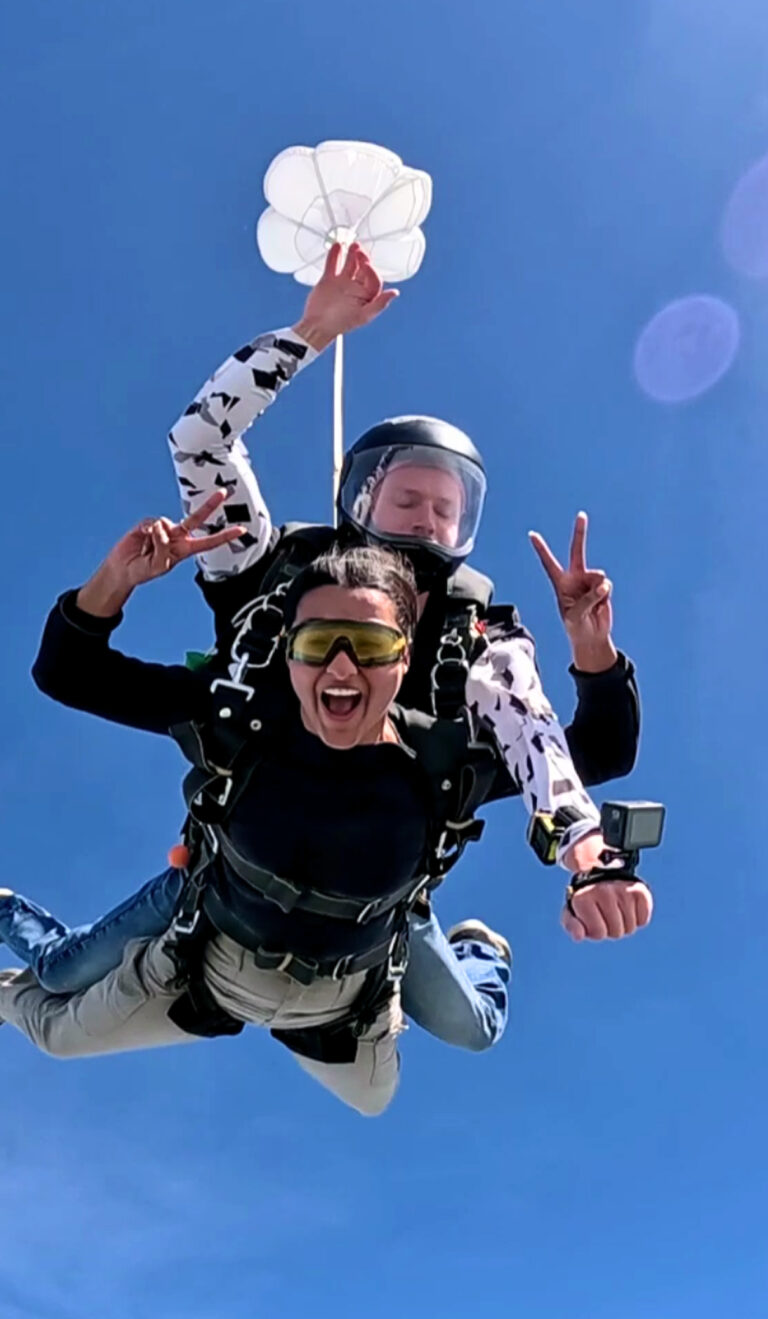
Skydiving in India is different in kind, not merely in degree. The experience begins long before the aircraft door opens in the ground training session, in the harness fitting, in the ascent through cloud cover to exit altitude, in the moment your Skyhigh instructor taps your shoulder and the door opens and the whole of India is laid out beneath you. The freefall, thirty to sixty seconds at terminal velocity, the wind total and loud, the horizon vast, is unlike anything else the human body can experience voluntarily. It is not simply exciting.
And then the parachute opens. The noise stops. The wind gentles. And you drift above India in near-silence for five to seven minutes above the landscape you have just fallen through, above the country that is yours, in a stillness that most Skyhigh first-timers describe as the most unexpectedly moving part of the entire experience.
What you carry home from skydiving in India with Skyhigh india is not a souvenir. It is not a photograph or a certificate, though both are yours. It is a recalibration. A proof, felt in every part of the body, that you are capable of more than you believed before you stepped through that door.
At Skyhigh India, we are ready whenever you are.
More of Us